
Small businesses often struggle to manage leads, track customer conversations, and follow up consistently. When contacts are stored in spreadsheets or scattered across emails, it becomes difficult to maintain a clear sales process.
This is where CRM packages for small business come in. A CRM system organizes leads, tracks interactions, and helps automate parts of the sales process so businesses can focus on growth rather than manual tasks.
Instead of juggling multiple tools, a CRM platform centralizes customer data, sales pipelines, and marketing automation in one place.
Quick Summary
| Topic | Key Takeaway |
|---|---|
| What CRM packages do | Organise leads, track customers, and automate follow-ups |
| Best for | Small businesses that need structured lead management |
| Key features | CRM pipelines, marketing automation, lead tracking |
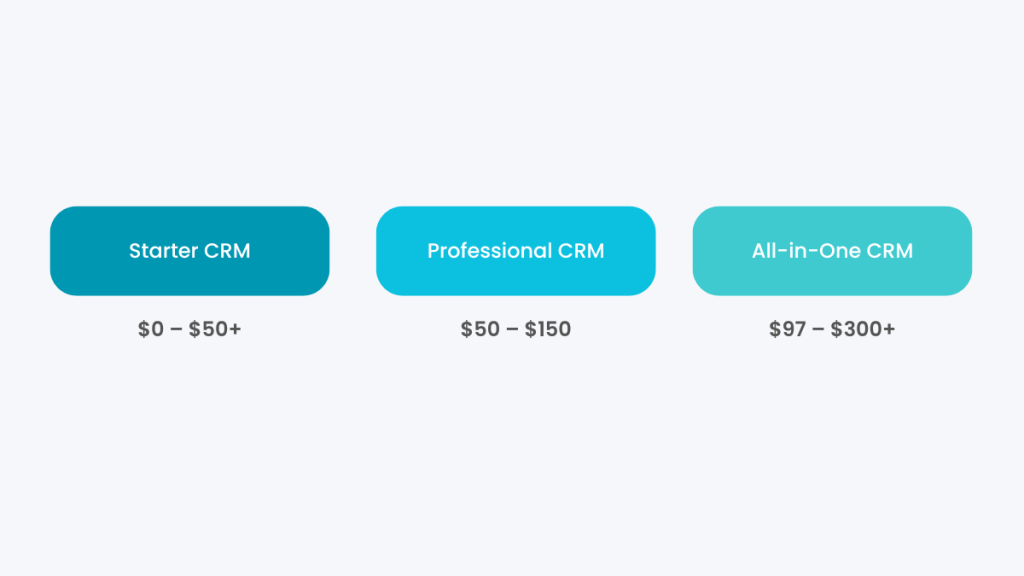
| Typical pricing | $20–$100+ per month depending on features |
| Popular platforms | GoHighLevel, HubSpot, Zoho CRM |
Why Small Businesses Need CRM Packages
Many small businesses start with simple tools like spreadsheets or email inboxes to track leads. While this works initially, it quickly becomes difficult to manage as the business grows.
Without a structured system, problems begin to appear:
• leads get forgotten
• follow-ups are inconsistent
• sales pipelines are unclear
• customer history is scattered
CRM packages help solve these problems by creating a centralized platform where every lead and interaction is tracked.
According to research from HubSpot, companies using CRM systems can improve sales productivity and customer relationship management because teams have clear visibility into every stage of the pipeline.
If you’re comparing automation-focused platforms, our guide to best CRM with automation for small businesses explains how these systems combine pipelines and marketing automation.
Many small businesses eventually adopt automation platforms that combine CRM and marketing tools. Our guide to best marketing automation software for small businesses explains how these systems streamline lead management and follow-ups.
What Is Included in CRM Packages for Small Business
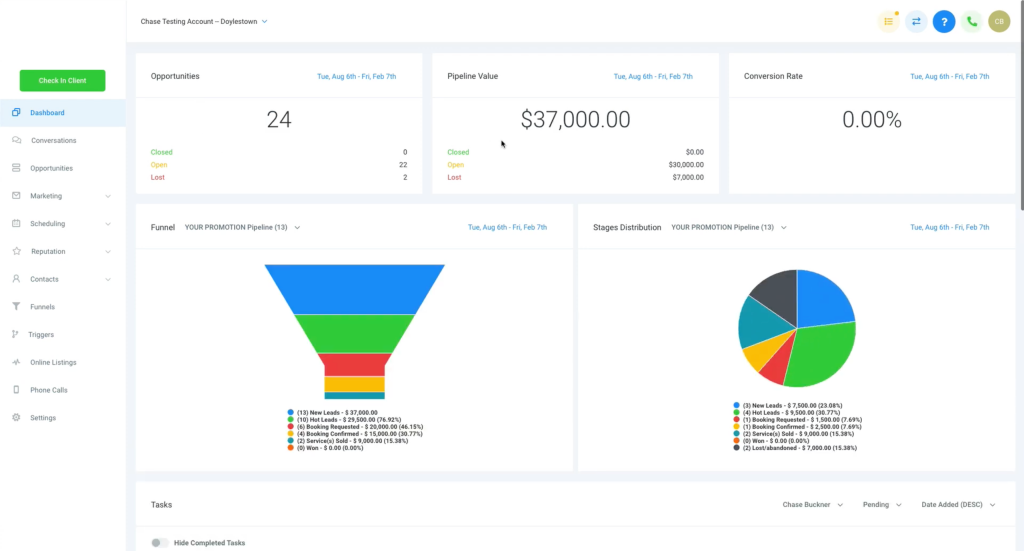
Most CRM packages for small businesses include a combination of lead management, automation tools, and reporting features.
Lead Management
The foundation of any CRM system is lead management. This allows businesses to capture leads from websites, forms, or landing pages and store them in a centralized database.
Once captured, each lead can be tracked through the sales pipeline.
Sales Pipeline Tracking
A pipeline view helps businesses see where prospects are in the buying process. For example, stages might include:
• new lead
• discovery call
• proposal sent
• deal closed
This visibility helps sales teams prioritize opportunities and avoid losing leads.
Marketing Automation
Many modern CRM packages include marketing automation tools that automatically send follow-up emails or SMS messages.
Automation ensures prospects receive consistent communication without requiring manual effort.
For businesses evaluating automation-focused systems, our GoHighLevel vs ClickFunnels comparison explains how different platforms approach CRM and marketing automation.
Reporting and Analytics
CRM platforms typically include reporting dashboards that track metrics such as:
• lead sources
• conversion rates
• sales performance
These insights help businesses understand which marketing efforts generate the best results.
Real-World Example of CRM in Action
Example:
A small marketing agency running Facebook ads captures leads through a landing page. Instead of manually emailing prospects, the lead automatically enters a CRM pipeline.
The system sends a follow-up email immediately and a text message reminder for a consultation call.
If the prospect books a call, the CRM automatically moves the contact into the “Discovery Call” stage of the pipeline.
This type of automated workflow reduces manual work while improving lead response time.
Choosing the Right CRM Package
When selecting a CRM package, small businesses should focus on tools that solve their specific operational challenges.
Some important factors to consider include:
Automation capabilities
Automation saves time by handling repetitive tasks such as follow-up emails and lead routing.
Integration options
CRM systems should integrate with marketing tools, landing pages, and email platforms.
Pipeline visibility
Clear pipeline stages help businesses understand where leads are in the sales process.
Ease of use
Small teams benefit from CRM systems that are simple to implement and manage.
Many businesses exploring CRM platforms eventually evaluate all-in-one automation systems that combine CRM, marketing automation, and funnel management.
Our guide to best marketing automation software for small businesses explores how these platforms simplify customer management and marketing workflows.
CRM for Small Business Comparison
Most CRM platforms charge a monthly subscription, but some services such as messaging, email delivery, or payment processing may include additional usage-based costs.
Some CRM platforms include additional usage-based costs for services like email sending, SMS messaging, or payment processing.
| Platform | Best For | Automation Features | Pricing |
|---|---|---|---|
| GoHighLevel | Marketing agencies and service businesses | Email automation, SMS automation, pipeline tracking | From ~$97/month |
| HubSpot CRM | Small businesses needing a free CRM | Lead management, email automation, reporting | Free tier available |
| Zoho CRM | Growing small businesses | Workflow automation, analytics, integrations | From ~$20/month |
Modern CRM systems increasingly combine marketing automation and lead management. Platforms like GoHighLevel focus heavily on automation workflows designed for agencies and service businesses.
Typical Additional CRM Costs
Some CRM platforms include additional usage-based costs for services like email sending, SMS messaging, or payment processing.
| Cost Type | Typical Price |
|---|---|
| Email sending | $0.50 – $1 per 1,000 emails |
| SMS messaging | $0.007 – $0.015 per message |
| Phone numbers | $1 – $2 per month |
| Payment processing | ~2.9% + 30¢ per transaction |
How CRM Packages Improve Business Efficiency
CRM systems are designed to improve operational efficiency by organizing sales and marketing processes.
With a CRM in place, businesses can:
• track every lead interaction
• automate follow-up communication
• monitor sales pipelines
• measure marketing performance
These capabilities help businesses scale their operations without dramatically increasing manual workload.
Try GoHighLevel for Your Agency
Conclusion
CRM packages for small businesses provide much more than simple contact management. They serve as the central system for organizing leads, managing sales pipelines, and automating customer communication.
By using CRM platforms that include automation and reporting tools, small businesses can improve efficiency, respond to leads faster, and create a more structured sales process.
For businesses focused on marketing automation and lead management, modern platforms like GoHighLevel combine CRM functionality with powerful automation workflows that help convert leads into customers.
FAQ
What are CRM packages for small business?
CRM packages for small business are software solutions that help companies manage leads, track customer interactions, and automate parts of the sales process. These systems centralize customer data and provide tools for pipeline management and marketing automation.
How much does a CRM system cost for small businesses?
CRM pricing varies depending on features and automation capabilities. Some platforms offer free tiers, while more advanced marketing automation systems can range from $20 to $100+ per month.
What features should small businesses look for in a CRM?
Important features include lead tracking, sales pipelines, automation tools, reporting dashboards, and integrations with marketing platforms.
Is CRM software worth it for small businesses?
Yes. CRM systems help businesses organize customer relationships, improve follow-up processes, and track sales opportunities, which can increase revenue and efficiency.
Suggested Reads
If you’re comparing automation platforms, our guide to GoHighLevel vs ClickFunnels explains the differences between funnel builders and CRM automation tools.
Businesses evaluating CRM platforms may also benefit from our article on best CRM with automation for small businesses, which explores automation-focused systems.
If you’re researching funnel software alongside CRM tools, our ClickFunnels pricing guide explains the different plans and features available.