
ClickFunnels vs WordPress: Key DifferencesClickFunnels vs WordPress is one of the most common comparisons for people trying to build funnels online. Both platforms can generate leads and sales, but they work in very different ways.
This ClickFunnels vs WordPress comparison explains the real differences between funnels and traditional websites so you can choose the right platform.
ClickFunnels vs WordPress, Key Differences
ClickFunnels is designed specifically for building sales funnels quickly, while WordPress is a flexible website platform that can be adapted to almost anything with plugins and themes.
Some businesses need a simple funnel builder. Others want full control over their site. Choosing the wrong one can cost time and money, so understanding the differences matters.
If you’re new to funnels, it also helps to understand how the ClickFunnels free trial works here:
What ClickFunnels Is Built For
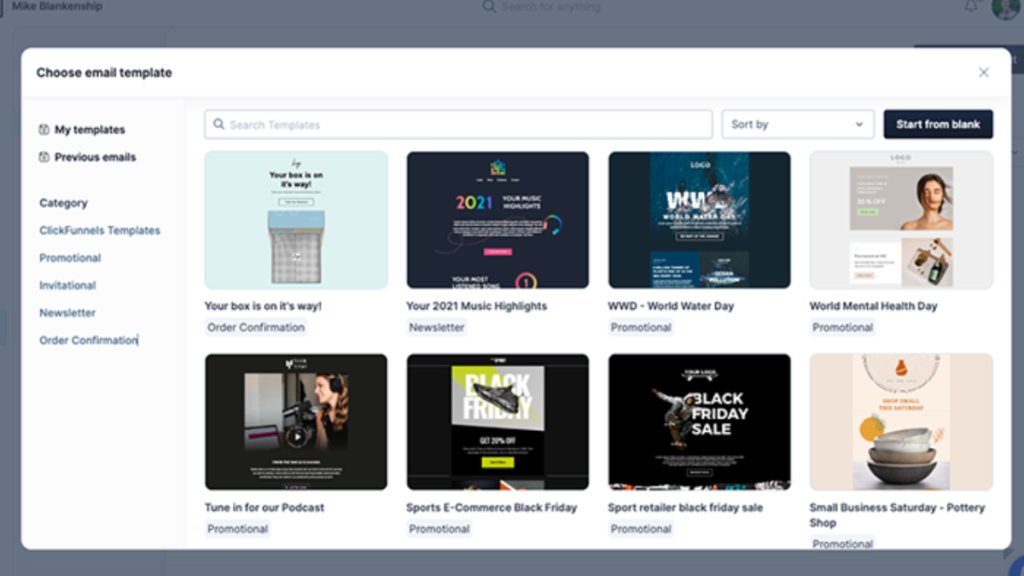
Most funnels start with templates instead of building from scratch. You can see real ClickFunnels Templates examples here
ClickFunnels is a funnel builder designed to create structured sales journeys.
Instead of building a normal website with pages and menus, you create a sequence such as:
Landing page
Opt-in page
Sales page
Checkout
Upsell
Thank-you page
Everything is built around conversion.
The platform includes:
- Funnel templates
- Drag-and-drop page builder
- Checkout pages
- Email integrations
- Analytics
- Split testing
Full pricing details are explained here ClickFunnels Pricing Explained
Templates make it easy to get started quickly. You can see real template examples here
Most users can build their first funnel in a few hours.
What WordPress Is Built For
WordPress is a general website platform rather than a funnel builder.
It can be used to create:
Blogs
Business websites
Membership sites
Online stores
Landing pages
Unlike ClickFunnels, WordPress requires separate tools for funnels.
Typical funnel setup might include:
Hosting provider
WordPress theme
Page builder plugin
Email marketing software
Checkout plugin
This flexibility is powerful but requires more setup.
Many businesses choose WordPress because of lower long-term costs and full control over their site.
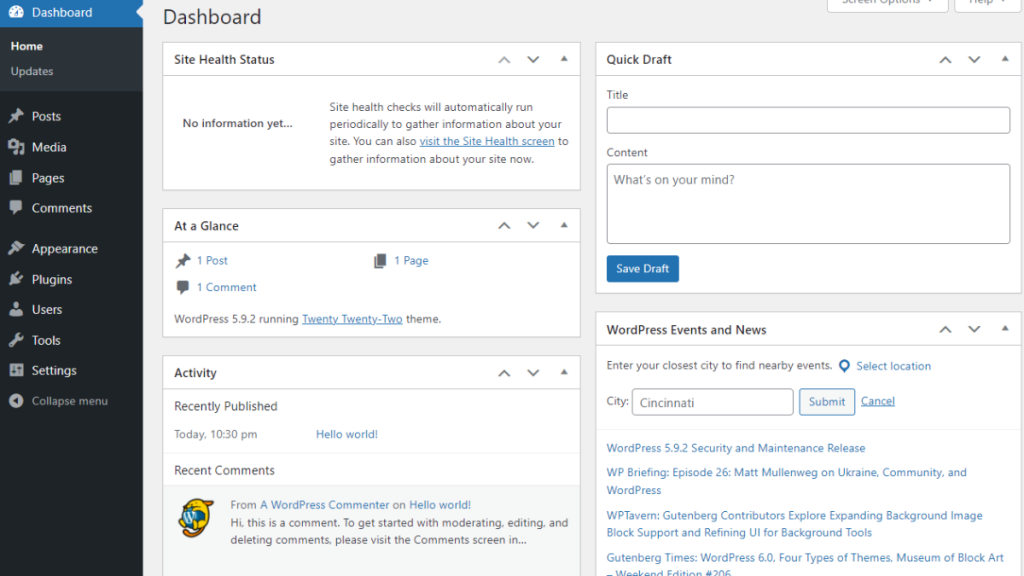
Ease of Use
Ease of use is one of the biggest differences between ClickFunnels and WordPress.
ClickFunnels is easier for beginners because everything is already connected.
Pages, funnels and templates work together without technical setup.
You simply choose a funnel template and edit the pages.
WordPress has a steeper learning curve.
Even simple tasks can involve:
Installing plugins
Changing settings
Updating themes
Managing hosting
Non-technical users often find ClickFunnels easier to launch with.
WordPress becomes easier over time but requires more learning at the start.
If your goal is blogging or content marketing, WordPress is usually better. Businesses focused on funnels often prefer ClickFunnels instead, which is explained in Is ClickFunnels Worth It (2026).
Funnel Building
ClickFunnels is designed specifically for funnels.
You can visually see each step in the funnel and move between pages easily.
This makes it simple to track conversions and improve performance.
WordPress funnels require plugins or manual setup.
Some users build funnels using:
Elementor
Cart plugins
Form plugins
Email software
Funnels can work well on WordPress but usually take longer to build.
ClickFunnels is faster for funnel creation.
WordPress is better for full websites.
Pricing Differences
When comparing ClickFunnels vs WordPress, pricing differences are one of the biggest deciding factors for most businesses.
Pricing is one of the biggest decision factors.
ClickFunnels is a subscription platform.
Typical pricing is explained in detail in ClickFunnels Pricing Explained (2026).
Most users pay monthly for:
Funnel builder
Hosting
Templates
Updates
Support
WordPress costs vary.
Typical expenses include:
Hosting
Domain name
Premium plugins
Themes
WordPress is usually cheaper long-term.
ClickFunnels is usually cheaper short-term because setup is faster.
Businesses often choose ClickFunnels when time matters more than cost.
Official pricing details can be found on the ClickFunnels website:
Flexibility and Control
WordPress offers far more control.
You can customize almost anything:
Design
Plugins
Integrations
Code
Hosting
This makes WordPress ideal for large websites or content-focused businesses.
ClickFunnels focuses on simplicity.
Customization exists but is more limited compared to WordPress.
Most businesses using ClickFunnels do not need advanced customization.
But developers usually prefer WordPress.
Speed of Launch
ClickFunnels is faster to launch.
You can:
Pick a template
Edit text
Add images
Publish
Some users launch funnels the same day.
WordPress takes longer.
You must:
Choose hosting
Install WordPress
Choose theme
Install plugins
Configure settings
Launching can take days instead of hours.
Businesses needing fast results often prefer ClickFunnels.
SEO Differences
WordPress is generally better for SEO.
Blogging tools are stronger and plugins allow advanced optimisation.
This is one reason many affiliate sites use WordPress.
ClickFunnels supports SEO basics but is not designed primarily for content marketing.
Many businesses use WordPress for content and ClickFunnels for funnels.
This combination is common.
When ClickFunnels Is Better
ClickFunnels is usually better if you want:
Fast funnel setup
Simple editing
Templates that convert
Minimal technical setup
Quick launches
It is especially useful for:
Coaches
Consultants
Course creators
Lead generation businesses
The platform is designed to get funnels running quickly.
If you’re new to funnels, it helps to understand how the platform works first. See the full guide to the ClickFunnels Free Trial here.
When WordPress Is Better
WordPress is usually better if you want:
Full website control
Lower long-term cost
Strong SEO content
Custom features
Scalable websites
It works best for:
Bloggers
Affiliate sites
Local businesses
Content marketing
Many successful businesses run entirely on WordPress.
Can WordPress Replace ClickFunnels?
Yes, WordPress can replace ClickFunnels.
But it usually requires multiple plugins and more setup.
You may need:
Page builder
Email system
Checkout software
Automation tools
ClickFunnels replaces many of these with one platform.
Some businesses start with ClickFunnels and later move to WordPress.
Others use WordPress from the beginning.
A Common Hybrid Approach
Many businesses use both platforms together.
WordPress handles:
Blog content
SEO traffic
Information pages
ClickFunnels handles:
Lead capture
Sales funnels
Checkout pages
This approach combines the strengths of both systems.
It is common among online businesses.
Final Verdict
In the end, ClickFunnels vs WordPress comes down to whether you want speed or flexibility.
ClickFunnels is easier and faster for building funnels.
WordPress offers more control and lower long-term costs.
For beginners building their first funnel, ClickFunnels is usually the easier starting point.
For long-term content-driven businesses, WordPress often makes more sense.
The best choice depends on whether you want fast funnel building or full website control.
Related Funnel Guides
ClickFunnels Pricing Explained (2026)
ClickFunnels Hidden Costs (2026)
Is ClickFunnels Worth It (2026)
GoHighLevel vs ClickFunnels (2026)