
Choosing the best CRM for lead generation can dramatically improve how businesses capture and convert enquiries. Instead of letting leads sit in email inboxes or spreadsheets, a lead generation CRM stores every prospect in a pipeline and automates follow-ups.eline and helps businesses follow up automatically.
Most businesses generate leads from multiple sources. Website forms, landing pages, ads, and phone calls all produce enquiries that need to be tracked.
Without a system managing those leads, opportunities are easily lost.
A modern CRM collects those enquiries in one place and allows businesses to respond quickly, track prospects through the sales process, and automate follow-ups.
If you’re looking for a system that combines CRM pipelines with automation tools, our guide to the best CRM with automation for small businesses explains how these platforms streamline lead management.
Here are three popular CRM platforms businesses commonly use for lead generation.
Quick Summary
| CRM | Best For | Starting Price |
|---|---|---|
| GoHighLevel | All-in-one lead generation automation | $97/month |
| ActiveCampaign | Email marketing automation | $49/month |
| HubSpot CRM | Sales teams and reporting | Free plan |
If you want an all-in-one CRM that captures leads, sends automated follow-ups, and manages pipelines in one system
What Is a CRM for Lead Generation?
Without a CRM, many businesses lose enquiries because follow-ups are delayed or forgotten. A CRM improves lead conversion by storing every enquiry in a structured pipeline and triggering automatic follow-ups the moment a new lead arrives.
A CRM built for lead generation helps businesses capture, organise, and follow up with prospects automatically.
Instead of manually recording every enquiry, the system collects leads from multiple sources such as:
Website forms
Landing pages
Facebook or Google ads
Appointment booking pages
Phone calls or chat widgets
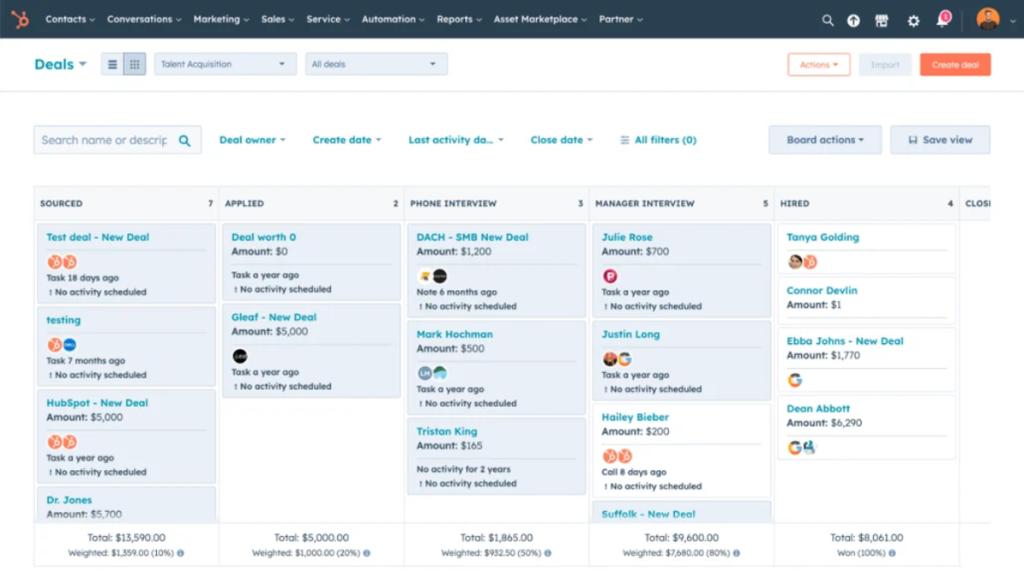
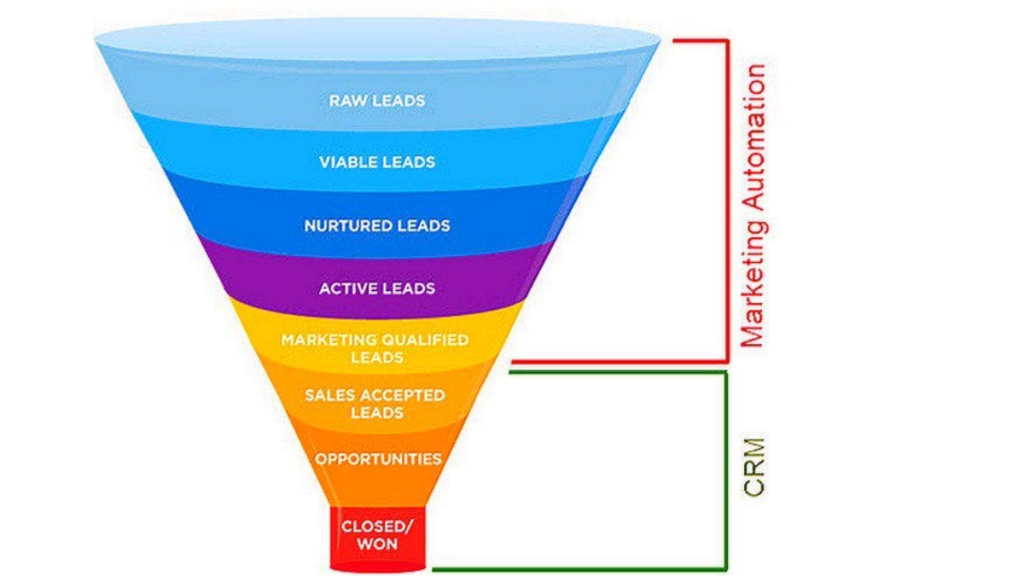
Once captured, the lead enters a pipeline where sales teams can track progress from the first enquiry to the final sale.
Platforms like GoHighLevel and ActiveCampaign go further by triggering automated messages when a new lead arrives.
For example, a CRM can instantly send an email confirmation or SMS message inviting the lead to book a consultation.
Why Businesses Use a CRM for Lead Generation
A CRM for lead generation helps businesses capture enquiries, organise prospects, and follow up automatically.When leads arrive from multiple sources, keeping track of them manually becomes difficult.
A CRM solves several important problems.
First, it stores every enquiry in one place. Businesses no longer need to search through emails or spreadsheets to find contact details.
Second, it provides visibility into the sales process. Pipelines show exactly how many leads are in each stage.
Third, automation ensures every prospect receives a timely response.
Fast response times are important. Studies consistently show that businesses responding quickly to new enquiries dramatically increase the chance of conversion.
Best CRM Platforms for Lead Generation
Businesses generating leads through websites, ads, or landing pages often benefit most from platforms that combine CRM pipelines with marketing automation.
Because GoHighLevel includes landing pages, CRM pipelines, email automation, SMS follow-ups, and appointment booking, many agencies use it as a complete lead generation system rather than combining multiple tools. Platforms combining CRM and automation allow businesses to capture enquiries and manage leads in one system, which we explore further in Best Marketing Automation Software for Small Businesses.
Several CRM platforms are particularly effective for capturing and managing leads.
The right choice depends on how much automation your business needs.
GoHighLevel
GoHighLevel is designed as an all-in-one system for businesses that rely heavily on inbound leads.
Instead of using separate tools for funnels, CRM, email marketing, and appointment booking, GoHighLevel combines everything in a single platform.
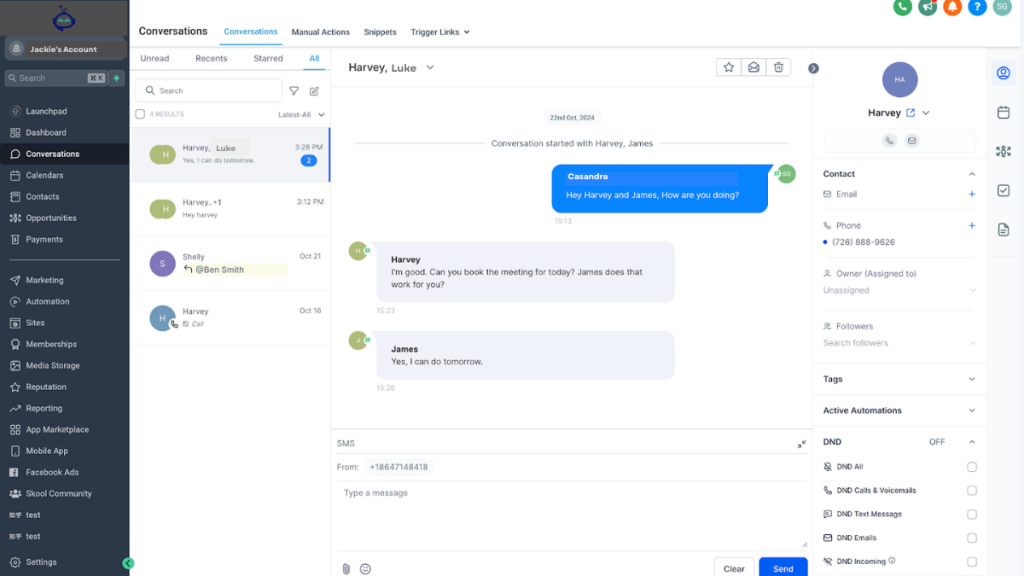
Businesses can capture leads from landing pages, forms, ads, or chat widgets and automatically trigger follow-up workflows.
For example:
A visitor submits a form → the CRM stores the lead → an automated email and SMS follow-up is sent → the lead books a call.
This type of automation reduces manual work and improves response times.
If you’re evaluating the platform, our breakdown of GoHighLevel pricing explained walks through the available plans and features.
ActiveCampaign
ActiveCampaign is particularly strong for email automation and lead nurturing.
Businesses can build automated sequences that send relevant messages based on a lead’s behaviour.
For example, a prospect downloading a guide could automatically enter a nurturing email sequence that gradually introduces products or services.
While ActiveCampaign includes CRM functionality, its biggest strength lies in advanced marketing automation.
HubSpot CRM
HubSpot CRM is widely used by startups and sales teams.
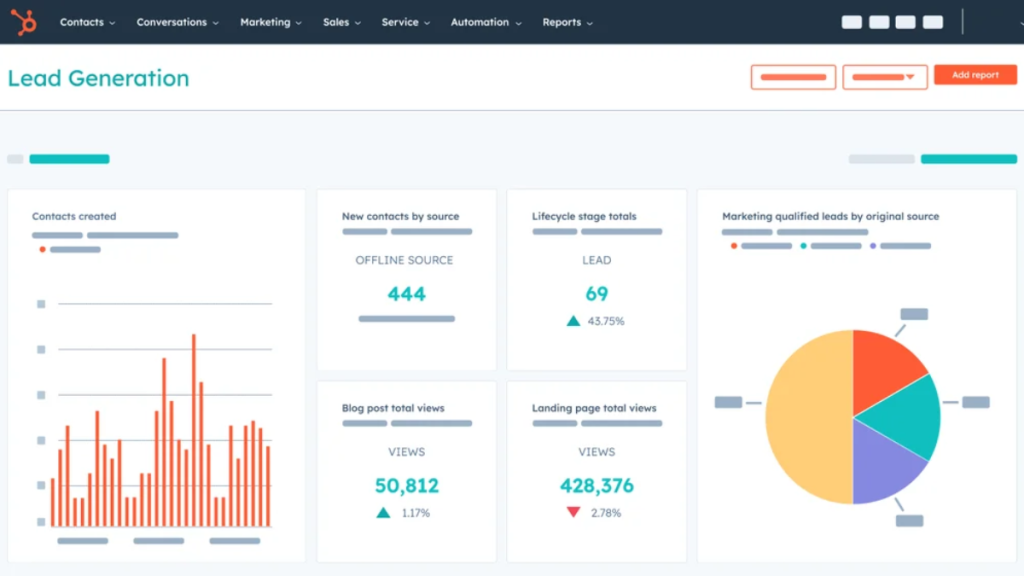
The free plan provides basic contact management, deal pipelines, and reporting.
However, many marketing automation features are only available in higher-tier plans, which can become expensive as businesses scale.
If you’re comparing platforms, it’s also worth reviewing some GoHighLevel alternatives to see how different CRM tools approach automation and lead management.
Key Features a Lead Generation CRM Should Have
Not every CRM is designed specifically for lead generation. The most effective platforms combine tools that capture enquiries, automate follow-ups, and track prospects through the sales process.
A lead generation CRM should include:
• Lead capture from forms and landing pages
• Automated email or SMS follow-ups
• Visual pipeline tracking
• Appointment booking tools
• Analytics and reporting
Lead capture integrations allow forms, landing pages, and ads to automatically send enquiries directly into the CRM.
Automation workflows ensure prospects receive immediate follow-ups instead of waiting for a manual response.
Pipeline tracking helps businesses visualise where each lead sits in the sales process, making it easier to prioritise opportunities.
Appointment booking tools allow prospects to schedule calls directly from follow-up messages, reducing friction during the sales process.
These features are particularly valuable for agencies, consultants, and service businesses that depend on a steady flow of enquiries.
Example Lead Generation Workflow
To understand how a CRM improves lead generation, imagine the following scenario.
A potential customer clicks on a Facebook ad and lands on a service page.
They submit a contact form requesting more information.
The CRM instantly records the enquiry and triggers an automated follow-up email inviting the lead to book a consultation.
If the prospect schedules a call, the system updates the pipeline and sends reminders before the meeting.
Instead of manually managing each step, the CRM automates the process.
Final Verdict
The best CRM for lead generation depends on how much automation your business requires.
Basic CRM systems are useful for storing contacts and tracking deals.
However, businesses that generate leads online often benefit from platforms that combine CRM functionality with marketing automation and funnel builders.
Tools like GoHighLevel allow businesses to capture enquiries, automate follow-ups, and track conversions without juggling multiple systems.
Before choosing a platform, it’s also worth understanding the hidden costs of GoHighLevel including SMS, email, and phone usage fees.
FAQ
What is the best CRM for lead generation?
The best CRM for lead generation captures enquiries automatically and triggers follow-ups. Popular options include GoHighLevel, ActiveCampaign, and HubSpot.
Can a CRM automatically follow up with leads?
Yes. Most modern CRM platforms include automation tools that send emails, SMS messages, or reminders when a new lead enters the system.
Do small businesses need a CRM for lead generation?
A CRM helps small businesses organise enquiries, track prospects through the sales process, and ensure every lead receives a response.
Related CRM Guides
Best CRM With Automation for Small Businesses
Best Marketing Automation Software for Small Businesses
Best Small Business CRM Software (2026 Guide)
GoHighLevel Pricing Explained (UK & US)