
Most coaches searching for coaching website templates think they simply need a nice design.
A homepage. A booking page. Maybe a blog.
But once the website is live, a new problem appears. Visitors arrive, but they don’t always turn into clients.
That’s because successful coaching websites are rarely just templates. They are lead-generation systems designed to capture enquiries, nurture prospects, and move visitors toward booking a session.
Many modern coaching businesses now combine website templates with funnels, automation, and CRM systems to turn website traffic into clients.
Quick Summary
A high-converting coaching website usually includes more than a template.
• Landing pages designed to capture leads
• Booking systems for discovery calls
• Email automation that follows up with prospects
• CRM pipelines that track enquiries and sales calls
• Funnels that guide visitors from interest to booking
Templates help launch a website quickly, but the system behind the website is what converts visitors into paying clients.
Why Most Coaching Website Templates Fail
Many coaching websites look beautiful but struggle to generate clients.
The reason is simple. Templates often focus on design rather than conversion.
A typical coaching website might include:
• About page
• Services page
• Contact form
But without a clear funnel, visitors often leave without taking action.
This is why many coaches eventually begin exploring systems that combine websites with lead capture and automation.
If you’re still learning how automation helps businesses manage leads, our guide to CRM lead management explains how CRM pipelines track enquiries and automate follow-ups.
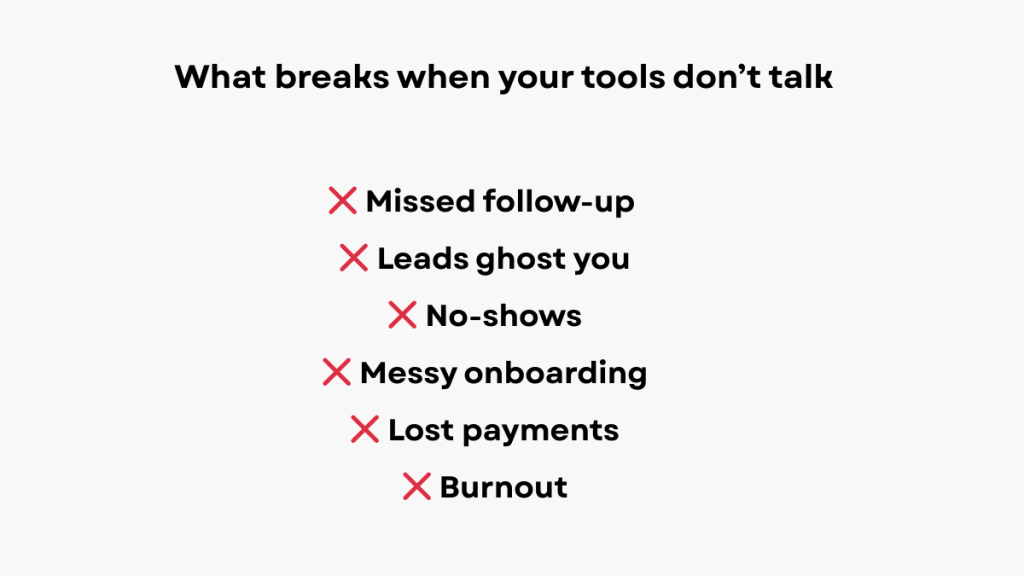
What High-Converting Coaching Websites Include
Successful coaching websites include a few core components designed to turn visitors into leads.
Lead Capture Pages
Landing pages offer something valuable such as a guide, checklist, or webinar in exchange for contact details.
Booking Calendars
Instead of waiting for emails, prospects can immediately schedule a discovery call.
Email Follow-Up Sequences
Automation sends follow-up emails that nurture leads and remind prospects to book a session.
CRM Pipeline Tracking
CRM systems track where prospects are in the sales process and ensure no enquiry is lost.
According to research from HubSpot, businesses that respond to leads quickly dramatically increase their chances of converting them into customers.
Examples of Coaching Website Templates
A life coach might use a landing page offering a free confidence guide. Visitors download the guide, receive automated emails, and are invited to book a discovery call through an online calendar.
Template 1
Best for life coaches, mindset coaches, confidence coaches
Main CTA to use “Download the free guide” first, then booking call
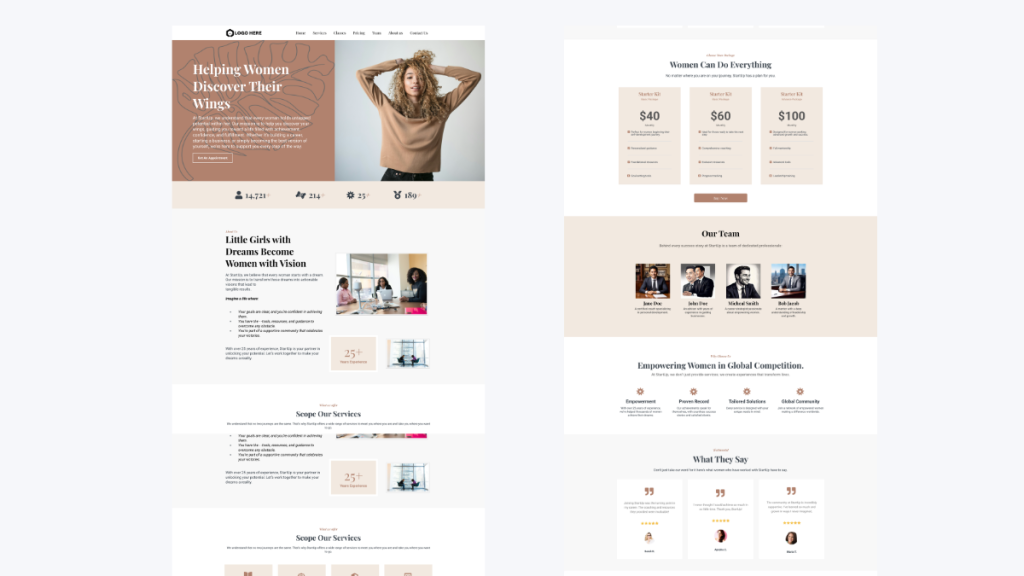
Homepage – Clear Authority With a Strong Call to Action
The homepage focuses on a transformation-driven headline that immediately explains the outcome the coach helps clients achieve. A visible booking button appears above the fold so visitors can schedule a consultation right away instead of just browsing the site.
The layout supports action, not distraction.
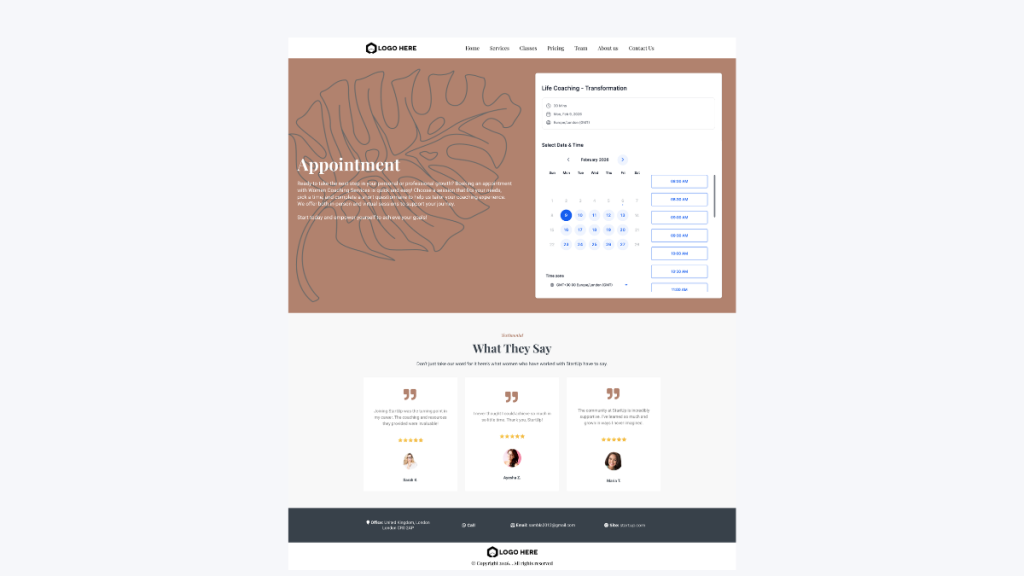
Appointment Page – Built-In Calendar With Automatic Follow-Ups
This page allows visitors to schedule a consultation directly through the built-in calendar. Once a time is selected, the system automatically sends confirmation emails and reminder messages to reduce missed appointments.
The booking is also recorded inside the CRM pipeline so the coach can track the enquiry and follow up in a structured way.
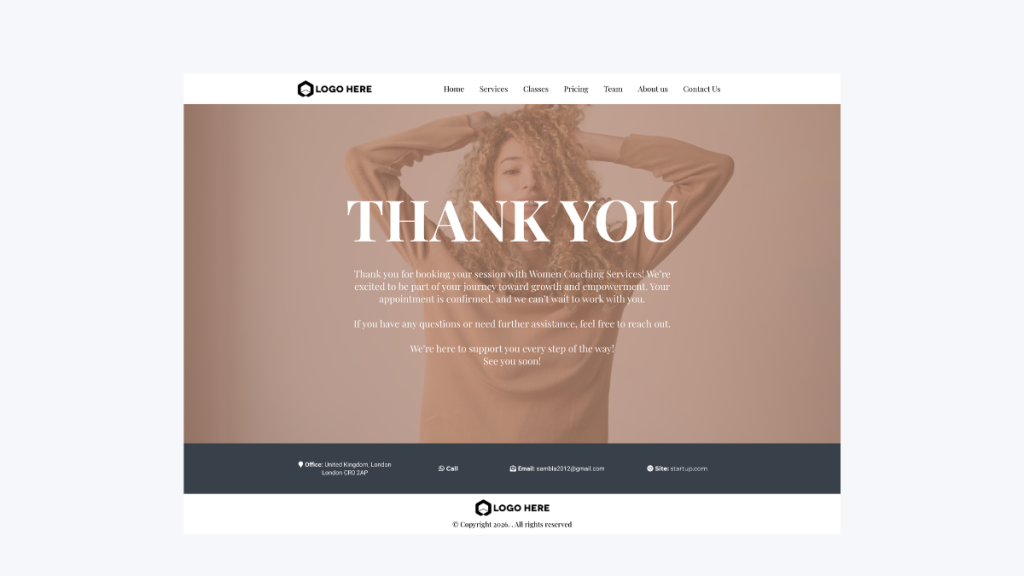
Thank You Page – Confirmation and Automated Follow-Up
After scheduling a session, visitors are redirected to a confirmation page that reassures them their booking has been secured. From this point, automated reminders and follow-up emails can begin immediately without any manual work.
The contact is already stored inside the CRM, allowing the coach to track the enquiry and continue the conversation after the discovery call.
Template Style #2 – Yoga, Wellness, and Fitness Coaches
This template style works particularly well for yoga instructors, wellbeing coaches, nutrition coaches, fitness trainers, and holistic practitioners.
These coaching niches often benefit from clear, results-driven messaging that highlights transformation and visible outcomes.
A typical layout includes a transformation headline, client testimonials, and a simple booking call to action so visitors can schedule a consultation quickly.
Best for: fitness coaches, health coaches, nutrition coaches
Common CTA: “Book a free consultation” or “Start your plan”
One of the most effective improvements for this type of coaching website is adding strong before-and-after proof or testimonials that demonstrate real results.
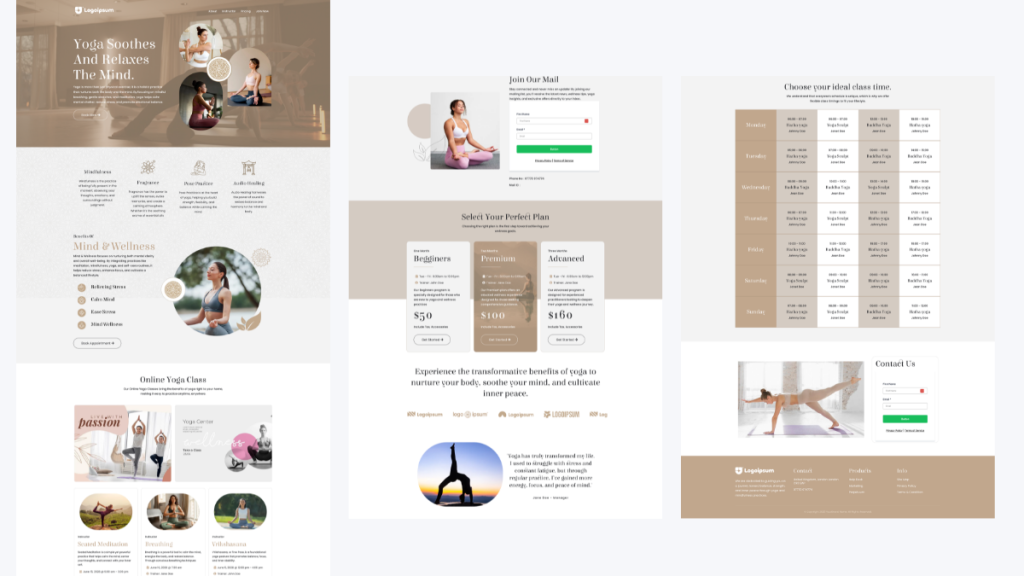
Main Website – Program Overview With a Clear Conversion Path
This page introduces the coaching or wellness program, explains the key benefits, and outlines the available pricing or package options. The layout guides visitors toward either joining the program or booking a consultation rather than simply browsing the site.
Any forms or booking actions connect directly to the CRM so enquiries are captured and follow-ups can happen automatically.
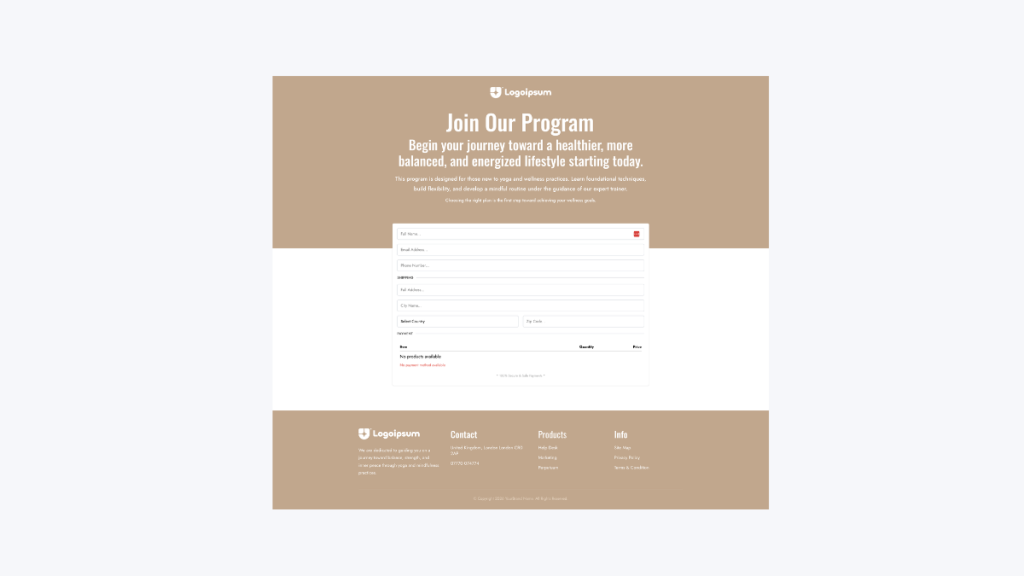
Join Program Page – Member Registration Connected to the CRM
This page allows visitors to enrol in the program through a structured registration form that collects their contact details and preferences.
Once the form is submitted, the information is automatically stored inside the CRM. From there, the system can trigger onboarding emails, welcome messages, or follow-up sequences without any manual input.
Instead of simply receiving a form submission, the enquiry becomes an organised lead that can be tracked and nurtured inside the coaching pipeline.
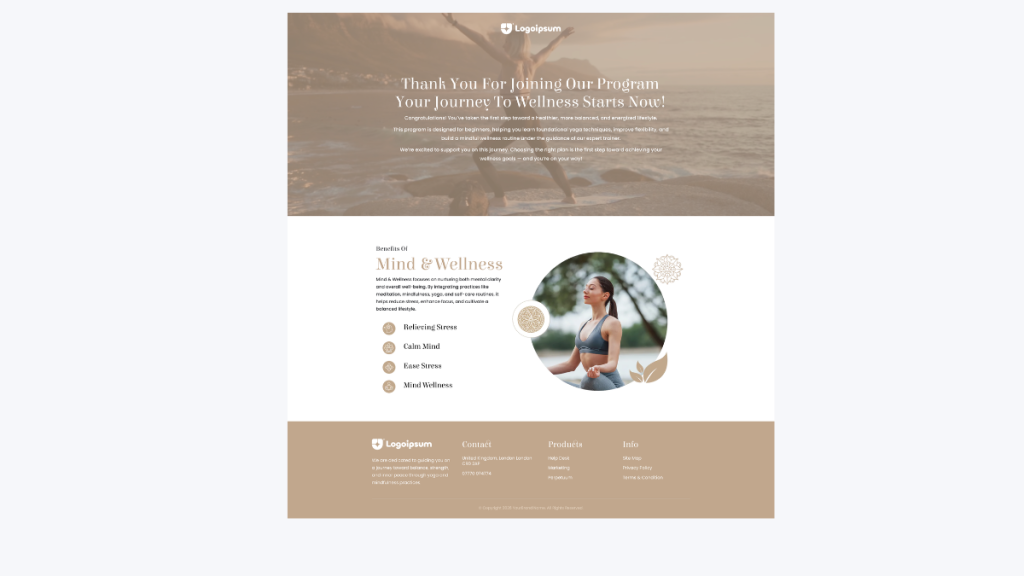
Thank You Page – Confirmation and Automated Next Steps
After registration, visitors are redirected to a confirmation page that reassures them their sign-up was successful. From this point, automated confirmation emails and onboarding messages can begin immediately.
This ensures every new member receives the right follow-up without requiring manual effort.
These examples show that successful coaching websites are rarely just templates. They typically rely on funnels, booking systems, and automation working together behind the scenes.
The Coaching Tech Stack Problem
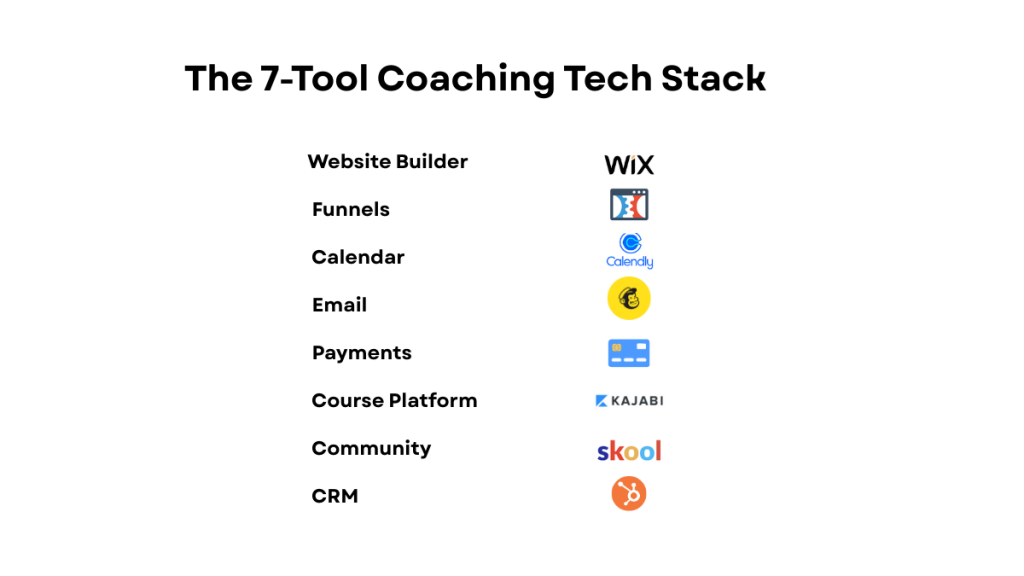
While templates help launch a coaching website, most coaching businesses eventually discover that several tools are required to handle bookings, automation, payments, and client communication.
Many coaches start with separate tools for each task.
A typical coaching website stack may include:
• website builder
• funnel software
• email marketing platform
• booking tool
• CRM system
• automation platform
At first this setup works.
But as the coaching business grows, managing several disconnected tools becomes complicated.
Integrations break. Leads get lost between systems. Reporting becomes difficult.
If you’re comparing marketing automation systems, our guide to marketing automation tools for businesses explains how these platforms automate lead follow-ups and campaigns.
The System Behind High-Converting Coaching Websites
Many coaches eventually move from simple templates to systems that combine multiple tools into one platform.
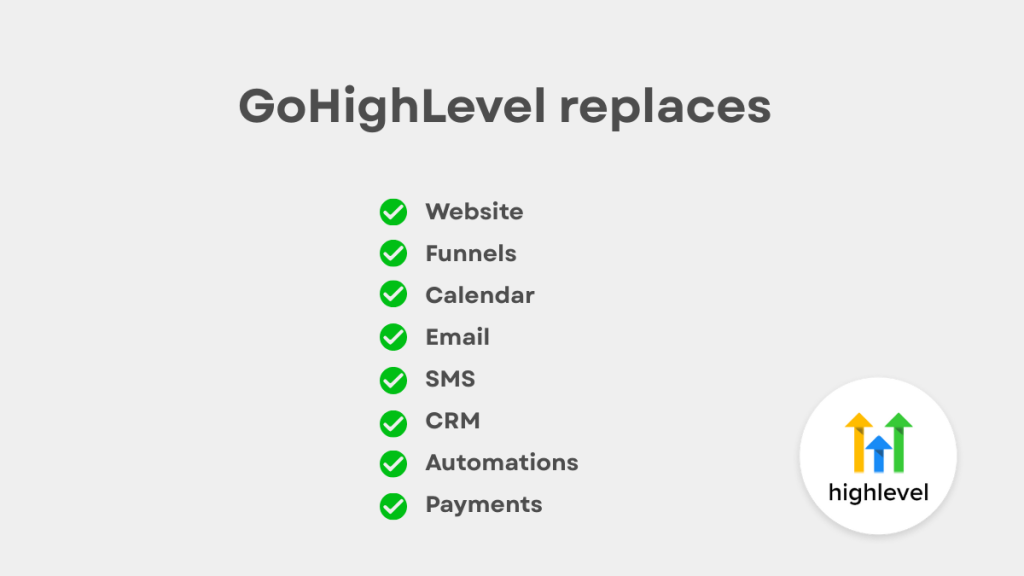
Instead of juggling several tools, these platforms integrate:
• landing page builders
• funnel creation
• CRM pipelines
• automation workflows
• appointment booking
Platforms designed for marketing automation allow coaching businesses to manage lead generation and follow-ups in one place.
This is why many coaches begin exploring systems designed for automation-driven marketing funnels.
Try GoHighLevel for Your Coaching Business
Coaching Business Software Comparison
| Platform | Best For | Automation Features | Pricing |
|---|---|---|---|
| GoHighLevel | All-in-one coaching system | CRM, funnels, SMS, automation | From $97 |
| ClickFunnels | Funnel marketing | Funnel automation, email | From $147 |
| Kajabi | Course businesses | Email marketing, memberships | From $149 |
| Squarespace | Simple coaching websites | Limited automation | From $16 |
Platforms like GoHighLevel combine several tools that coaching businesses typically run separately.
If you’re comparing funnel platforms directly, our guide to GoHighLevel vs ClickFunnels explains how these systems differ in automation and funnel features.
How a Coaching Funnel System Works
Example:
A business coach might run Facebook ads promoting a free strategy guide.
When someone downloads the guide:
• the lead enters a landing page funnel
• their details are stored inside a CRM
• an automated email sequence sends follow-up content
• the system invites the prospect to book a discovery call
This entire process can run automatically once the system is set up.
Automation allows coaches to focus on delivering coaching sessions rather than manually managing follow-ups.
Why Many Coaches Replace Templates With Systems
Templates help launch a coaching website quickly, but they don’t always provide the full marketing infrastructure required to grow a business.
Coaches who scale their businesses usually rely on systems that combine websites with funnels, automation, and lead tracking.
Instead of managing multiple disconnected tools, the website becomes the starting point of a complete client acquisition system.
Start a Free GoHighLevel Trial
Conclusion
The best coaching website templates are only part of the equation.
Design matters, but the systems behind the website determine whether visitors turn into paying clients.
Modern coaching businesses increasingly rely on funnels, automation, and CRM pipelines to manage enquiries and follow-ups.
Templates help launch a coaching website, but real growth usually comes from building a system that captures leads, automates follow-ups, and consistently turns visitors into clients.
FAQ
What are coaching website templates?
Coaching website templates are pre-designed website layouts created specifically for coaching businesses. They typically include pages such as services, testimonials, and booking sections that help coaches launch a website quickly.
What should a coaching website include?
A high-performing coaching website usually includes lead capture pages, booking calendars, email automation, and CRM tracking to manage enquiries and follow-ups effectively.
Do coaches need funnels on their websites?
Many coaching businesses use funnels to guide visitors toward booking calls or purchasing programs. Funnels help structure the client journey from first visit to conversion.
What platform do coaches use to build websites?
Coaches commonly use platforms like WordPress, ClickFunnels, and all-in-one marketing systems that combine website builders with automation and CRM tools.
Suggested Reads
If you’re exploring how coaching funnels capture leads and book discovery calls automatically, our guide to GoHighLevel coaching website templates explains how funnel-based websites work for coaching businesses.
If you want to understand how funnels and automation platforms work together, our GoHighLevel vs ClickFunnels comparison explains which platform is better for building marketing funnels.
Coaching businesses that generate enquiries from websites and ads often rely on CRM pipelines to manage follow-ups. Our guide to CRM lead management explains how businesses track leads and automate responses.
If you’re comparing automation platforms more broadly, our guide to marketing automation tools for businesses explains how automation systems manage follow-ups and lead nurturing.